



Hotels alone can’t bring in US$10 billion — Bartlett
…says community tourism vital
MONTEGO BAY, St James — Insisting that the country’s ambitious target of attracting 10 million visitors and earning US$10 billion cannot be achieved through hotel expansion alone, Minister of Tourism Edmund Bartlett wants community tourism to become the driving force behind Jamaica’s long-term expansion strategy.
Addressing the inaugural National Community-based Tourism Resilience Symposium at the Montego Bay Convention Centre on Thursday, Bartlett argued that the future of the industry rests as much in rural districts, heritage communities, and local enterprises as it does in the country’s traditional resort centres.
The minister maintained that community tourism has moved beyond being a complementary feature of the sector and must now occupy a pivotal role in Jamaica’s development agenda.
“Community tourism is not peripheral to our growth agenda. It is central to it,” Bartlett said.
The theme of the symposium where his comments were made was “Resilience in Action: Protecting Livelihoods, Sustaining Destinations”.
The tourism minister stressed that while hotels provide accommodation, it is communities that deliver the authentic experiences visitors remember long after returning home.

Minister of Tourism Edmund Bartlett addressing the National Community-based Tourism Resilience Symposium at Montego Bay Convention Centre on Thursday. (Photo: Horace Hines)
He pointed to farmers, fishers, craft producers, cooks, tour guides, transport operators and entrepreneurs as the people who create the distinctive Jamaican experiences that sustain the industry’s appeal.
Bartlett argued that the country’s growth model must evolve beyond dependence on the traditional sun, sea and sand offering by unlocking the tourism potential of farming communities, fishing villages, Maroon settlements, heritage towns and cultural corridors.
He pointed out that Jamaica produces many high-quality products, but only in small quantities and that will need to change.
Bartlett explained that building 20,000 new hotel rooms in the next 10 years is part of the plan to attract 10 million visitors, which will significantly increase demand for local goods and services.
“If it is that the tourism consumption pattern is five times that of your local, that means if a local eats one egg a day, the tourists will eat a minimum of five. The poultry farmer has now got to produce five times the amount of eggs that he used to produce just to satisfy that element of addition to the market,” the minister outlined.
“Farmers are going to have to step up to the plate to produce more lettuce and cabbage and tomato and escallion and thyme,” he added.
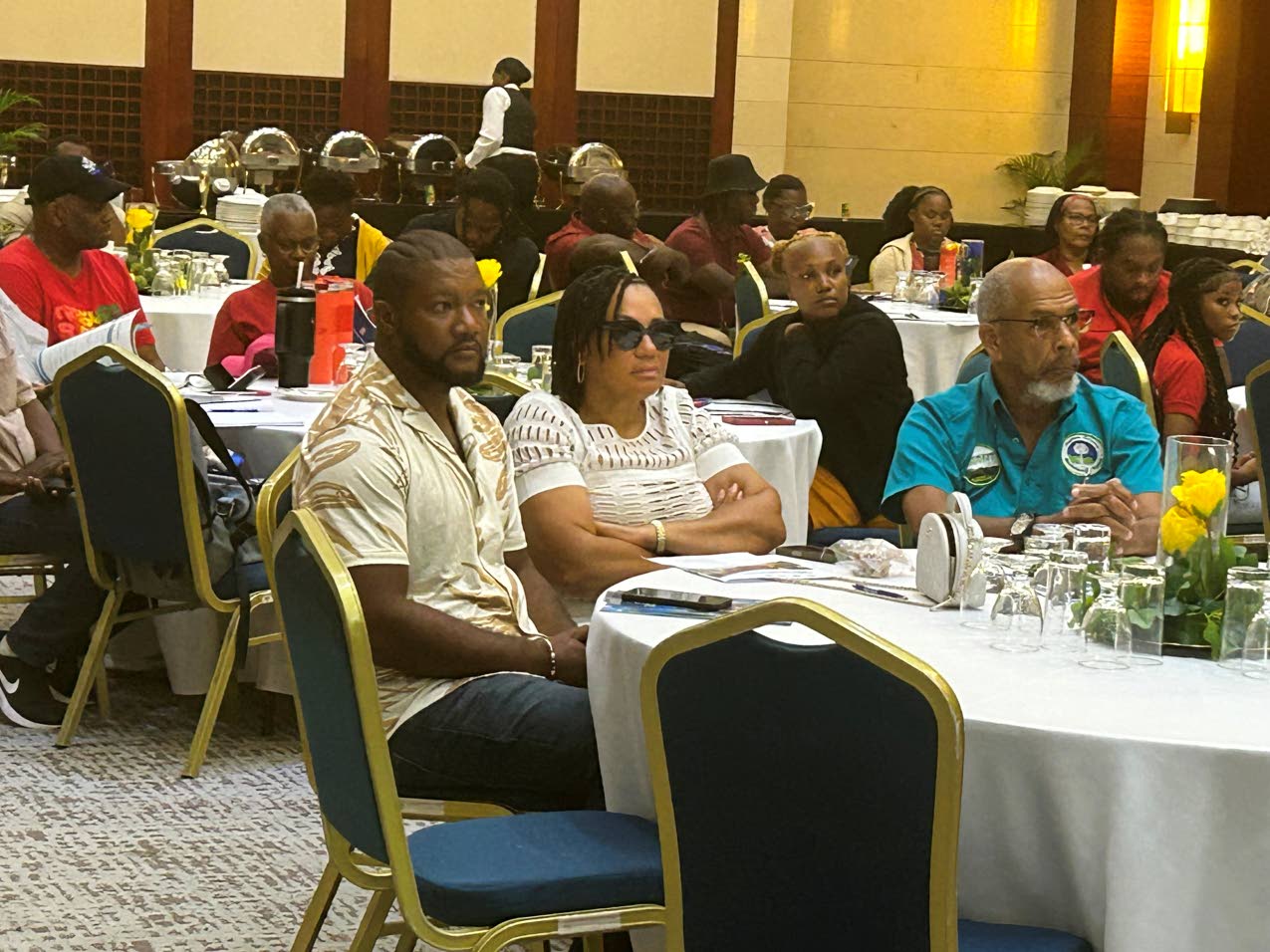
Participants at National Community-based Tourism Resilience Symposium held at Montego Bay Convention Centre on Thursday. (Photo: Horace Hines)
According to Bartlett, tourism directly employs about 175,000 Jamaicans while indirectly supporting another 354,000, an indicator of the sector’s importance to hundreds of thousands of livelihoods across agriculture, transportation, construction, manufacturing, entertainment and other industries.
He reiterated the Government’s Tourism 3.0 strategy and explained that it seeks to shift the focus from merely increasing arrivals to maximising economic value through stronger community participation, entrepreneurship and resilience.
The minister emphasised that communities possess valuable natural, cultural and historical resources, but noted that these assets must be transformed into professionally managed, market-ready tourism products capable of generating sustainable income.
Highlighting the increasing threats posed by climate change and other disruptions, Bartlett argued that resilience must become a permanent feature of tourism policy rather than a response after crises occur.
He said community enterprises, which often lack the financial buffers available to large resorts, must be equipped to anticipate risks, prepare for emergencies, recover quickly, and adapt to changing circumstances.
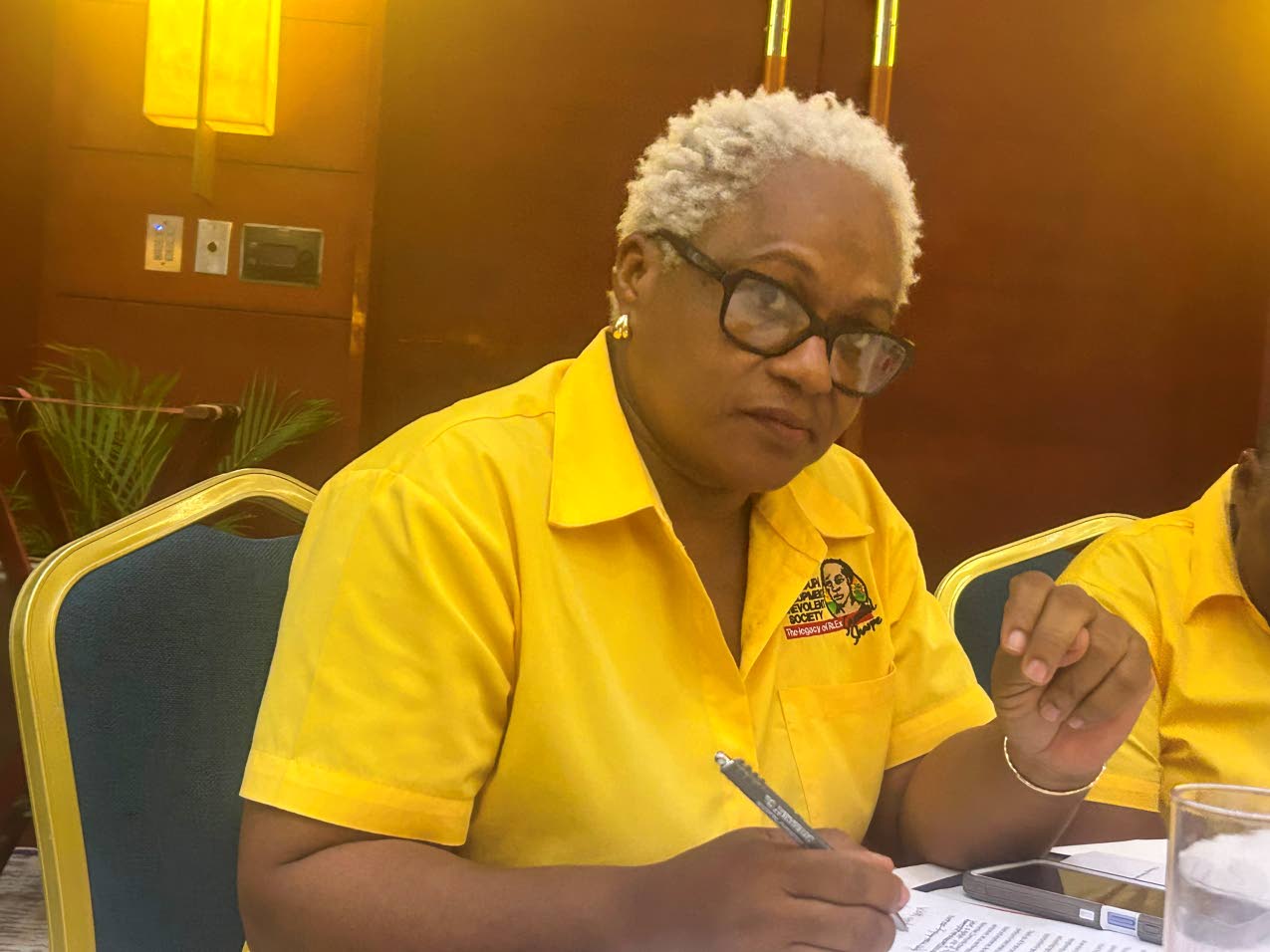
Claudette Glegg, chairperson of Catadupa Heritage and Eco Tours, was among participants at the National Community-based Tourism Resilience Symposium at Montego Bay Convention Centre on Thursday. (Photo: Horace Hines)
Bartlett also stressed that community ownership must remain at the centre of development, and cautioned against exploitation of cultural traditions and natural attractions without the consent and meaningful participation of residents.
Reaffirming the Government’s Local First policy, he urged greater use of Jamaica-made products, locally grown food and home-grown tourism experiences to strengthen linkages across the economy and ensure more of the industry’s wealth remains within communities.
Claudette Glegg, chairperson of Catadupa Heritage and Eco Tours, one of the 65 community tourism enterprises that attended the symposium, described the event as very informative.
“I am indeed grateful for this opportunity to be involved in the Community-based Tourism Resilience Symposium, held today at the Montego Bay Convention Centre. It has been an inspiration for us all, and it allows community-based organisations to get a feel of how to prepare themselves before, during, and after a disaster. We were also exposed as how to assess the risk and strengthen our organisation as well,” Glegg told the Jamaica Observer during Thursday’s event.
According to Osborne Chin, senior director of the Tourism Policy and Monitoring Branch in the Ministry of Tourism, the inaugural National Community Tourism-Based Resilience Symposium was designed to strengthen the preparedness and sustainability of Jamaica’s community tourism sector.
Drawing on lessons from disruptions such as COVID-19 and hurricanes, the symposium promoted proactive resilience-building in planning, operations, and recovery. It also introduced a tourism resilience planning workbook and practical tools for disaster risk management and business continuity, with the aim of shifting the sector from reactive crisis response to long-term resilience-building and sustained economic benefits for communities.


