



SBA shake-up caution
Leaders in local education sector seeking clarification after CXC announces changes to reflect AI threat
Senior Jamaican education stakeholders are to meet with officials of the Caribbean Examinations Council (CXC) today to seek clarification on the regional body’s sweeping reforms to school-based assessments (SBAs).
The Jamaica Observer understands that concerns have been raised about some aspects of the changes and stakeholders are awaiting the outcome of discussions before adopting a final position.
While the nature of the concerns are yet to be disclosed, the meeting is expected to provide them with an opportunity to better understand how the new framework will operate in schools.
Under the new system, the traditional SBA will gradually be removed from subjects that are not practical in nature, including mathematics, English, Caribbean history, social studies, principles of business.
Instead of completing an SBA over several weeks or months with guidance from teachers, students will sit a new assessment known as Paper 032 under examination conditions.
Unlike a traditional written examination, however, students will not be expected to prepare without knowing what will be assessed.
CXC said candidates will receive the assessment topics about one month before the examination, giving them time to research the subject, organise their ideas, and prepare their responses.
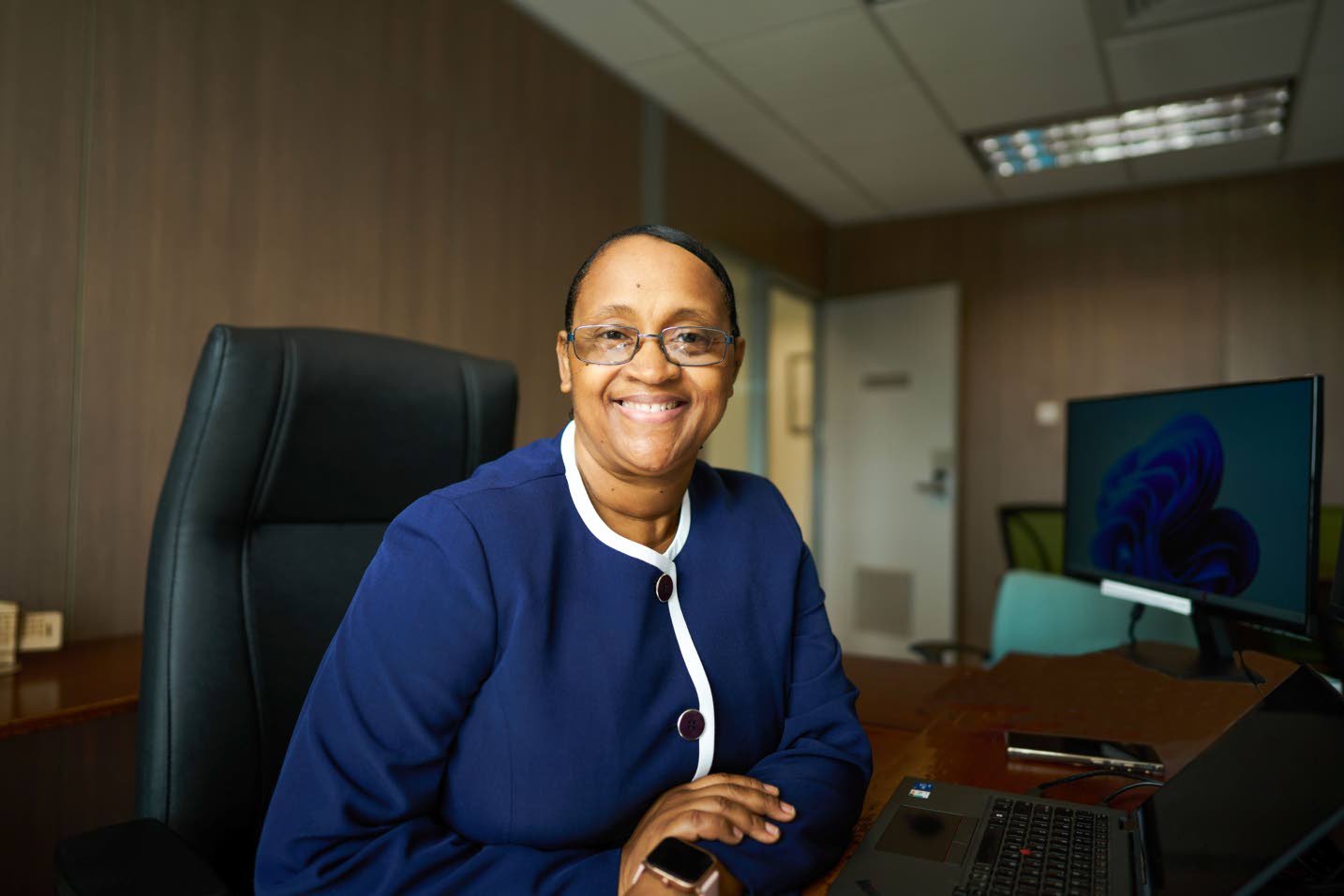
MANNING….the redesigned assessment model seeks to preserve the reflective learning traditionally associated with SBAs while restoring confidence in the authenticity of students’ work
During the exam they will also be given extra time to complete the assessment and will be allowed to take reference notes into the examination room to help guide their work.
The assessment itself, however, must be completed by the student under supervised examination conditions, allowing examiners to be confident that the work submitted is genuinely the candidate’s.
For subjects that rely heavily on practical or creative skills — such as agricultural science, visual arts, music, physical education, technical drawing, and food, nutrition and health — the traditional SBA format will remain as CXC said those subjects require students to demonstrate skills that cannot be properly measured through a written examination alone.
However, the council said the moderation process for those SBAs will be strengthened to improve consistency and maintain academic standards.
The changes will not happen all at once. Caribbean Advanced Proficiency Examinations (CAPE) students will begin using the new Paper 032 assessment in 2027, while for Caribbean Secondary Education Certificate (CSEC) students, schools will have the option of using either the existing SBA or Paper 032 in 2027 before the new assessment becomes mandatory for all candidates in 2028.
Existing SBA results and future Paper 032 scores will continue to be transferable under CXC’s existing two-year policy.
CXC announced the reforms on Thursday, saying they were designed to ensure that grades awarded to students continue to reflect their own knowledge and abilities at a time when artificial intelligence (AI) tools have made it increasingly difficult to verify whether coursework was completed by the student.
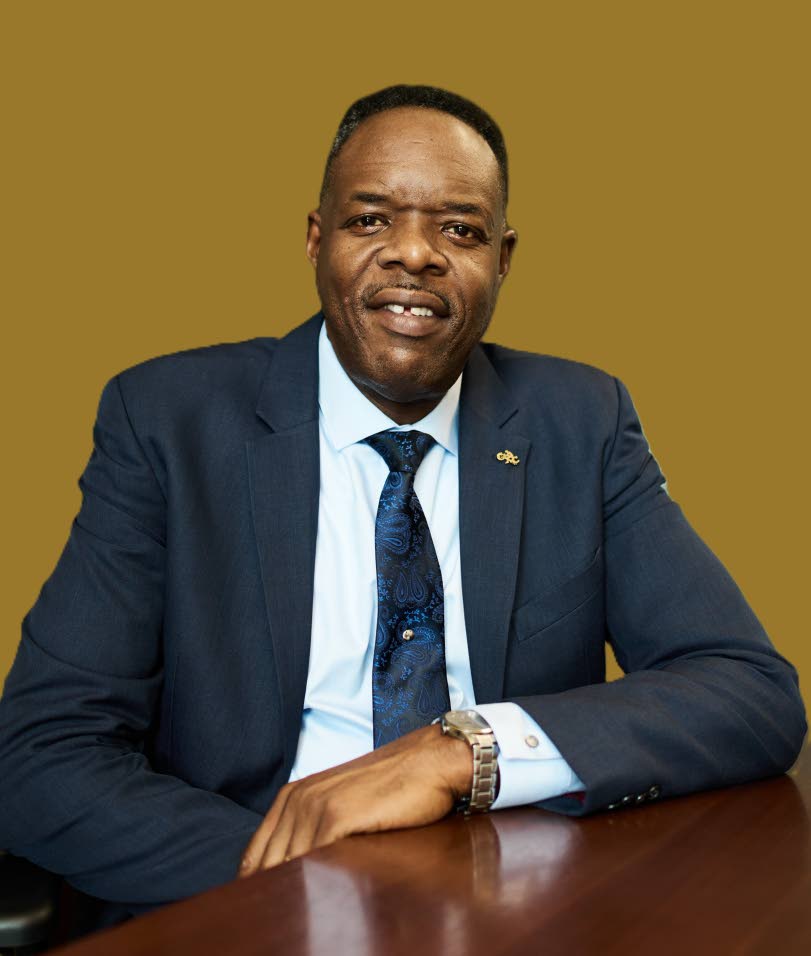
WESLEY…the rapid advancement of AI and other technologies has fundamentally altered the assessment landscape
The regional examinations body stressed that the changes are not intended to stop students from using AI as a learning tool, but rather to ensure that CXC qualifications continue to accurately represent what each student knows and can do, preserving the confidence that employers, universities, and other institutions place in those qualifications.
In announcing the reforms, CXC Registrar and Chief Executive Officer Dr Wayne Wesley said the council had not taken the decision lightly as he noted that SBAs have been a cornerstone of Caribbean assessment for nearly 50 years.
He argued, however, that the rapid advancement of AI and other technologies has fundamentally altered the assessment landscape, making it necessary to modernise the system while preserving confidence in CXC qualifications.
“The integrity of our qualifications is not negotiable,” Wesley said, adding that the council had an obligation to act once it became clear that existing methods could no longer reliably determine whether work submitted was genuinely a student’s own.
CXC Director of Operations Dr Nicole Manning echoed that position, saying the redesigned assessment model seeks to preserve the reflective learning traditionally associated with SBAs while restoring confidence in the authenticity of students’ work.
She urged students, teachers and parents to uphold the value of CXC qualifications, arguing that the certificates must continue to represent what candidates genuinely know and are capable of doing.
According to CXC, the reforms follow consultations with education stakeholders across its 21 participating countries and territories and are intended to strike a balance between embracing technological advances and maintaining rigorous academic standards.


