



AI THREATENS 60,000 JOBS
Women face greater exposure
WOMEN could be among those hardest hit by artificial intelligence (AI)-driven job disruption in Jamaica, while workers who can effectively use the technology are expected to have the strongest employment prospects.
“The jobs that are highly exposed are female-dominated jobs. And what we know from the data is that 44 per cent of households in Jamaica are headed by women,” former University of Technology, Jamaica (UTech) dean Professor Paul Golding said in an interview with the Jamaica Observer.
The analysis, conducted by Golding using International Labour Organization (ILO) methodology and Jamaica’s labour market data, found that approximately 144,000 women and 112,000 men work in occupations exposed to artificial intelligence. That exposure means AI could automate some tasks currently performed by workers or, in certain cases, replace jobs altogether.
The research distinguishes between job augmentation and job elimination. Augmentation occurs when artificial intelligence helps workers perform their duties rather than replacing them. Elimination, on the other hand, refers to jobs in which technology can replace most or all of the tasks performed by a worker.
Using that framework, the analysis found that roughly 22 per cent of Jamaica’s workforce had some level of exposure to AI. However, while approximately 256,000 workers were considered exposed to the technology, about 60,000 jobs were estimated to face potential elimination.
Many of the most vulnerable roles are concentrated in female-dominated fields, including call centre workers, data entry clerks, typists, secretaries, bank tellers and entry-level accounting positions. These occupations involve routine, rules-based tasks that are more easily automated by AI systems. But despite growing concerns about job displacement, some sectors appear better positioned to withstand the rise of artificial intelligence.
“If anything that does not have task complexity in it, it is likely to be completely eliminated,” Golding said.
According to Golding, occupations requiring higher levels of task complexity, specialised expertise and human judgement currently face lower levels of exposure. These include science and engineering professionals, healthcare workers, cleaners, helpers and information and communications technology specialists.
He also pointed to jobs in agriculture, forestry and fishing, as well as roles involving plant and machine operation and certain forms of manual labour, as areas that currently face relatively low exposure to AI.

THOMPSON… we’re looking for persons who can work alongside the AI from the perspective of being able to know when to use AI, when not to use AI, when and how to evaluate the results that AI is putting out and be able to demonstrate that confidence to hold yourself to account for the results.
“Teaching is a dicey one, because even though the ILO says it is not highly exposed, I have my personal doubts about how teaching is going to evolve,” Golding told BusinessWeek.
Still, he cautioned that predicting the future labour market remains difficult. Drawing parallels with past industrial revolutions, Golding noted that while innovation has historically created new forms of employment, it remains unclear whether artificial intelligence will generate enough new opportunities to offset the jobs it displaces.
“What we’re not seeing with AI is new work being developed. What we’re seeing primarily is the replacement,” he said.
Golding cautioned that job losses and job creation are unlikely to occur at the same pace. As a result, workers may lose jobs long before new opportunities emerge.
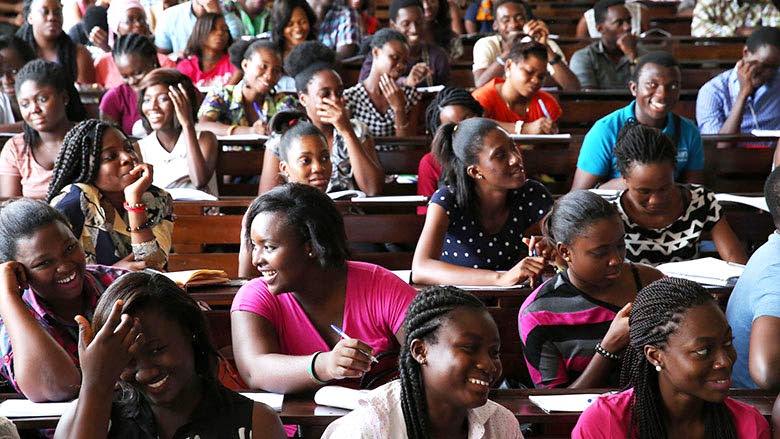
Researchers argue that AI fluency should become a core graduate skill alongside numeracy, writing and critical thinking as employers increasingly seek workers who can effectively leverage artificial intelligence.
As AI disrupts some occupations and reshapes others, the question is what skills workers will need to remain competitive.
According to PricewaterhouseCoopers (PwC) Jamaica Director of Consulting Services Hugh Thompson, the answer is not necessarily tied to a specific profession but rather a worker’s ability to effectively leverage AI.
“We’re looking for persons who can work alongside the AI from the perspective of being able to know when to use AI, when not to use AI, when and how to evaluate the results that AI is putting out and be able to demonstrate that confidence to hold yourself to account for the results,” Thompson said.
Employers are no longer asking only whether candidates can use AI tools; instead, the focus is shifting to whether they can think critically, exercise sound judgement and use those tools to create value for an organisation. That shift in employer expectations is also raising questions about how universities prepare students for the workforce. Citing research conducted by UTech, Thompson noted that all tertiary students surveyed reported using AI tools, while more than 93 per cent said they had either never been caught using them or were not concerned about being caught. However, he argued that the real issue is not cheating, but whether students are developing the critical thinking and judgement skills employers increasingly value.
“The real risk, which is not cheating. The real risk is the erosion of the critical thinking that students are supposed to be displaying when you go for your degree because that’s what employers are looking for,” he noted.
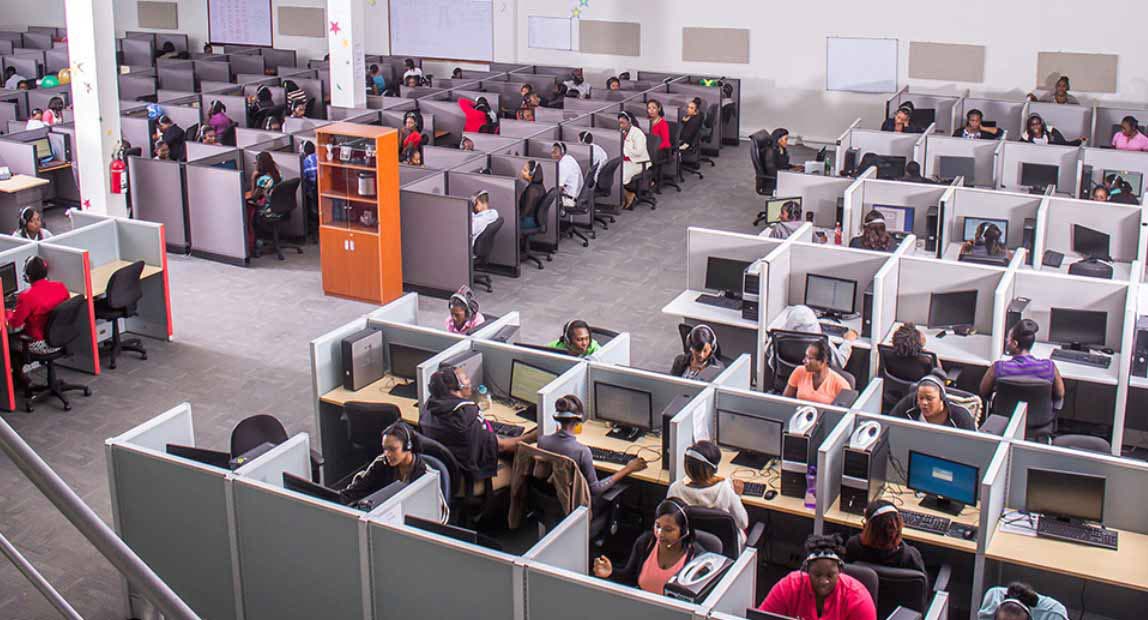
HIGH EXPOSURE: Call centre agents, data entry clerks, secretaries and bank tellers are among the occupations researchers say face greater exposure to AI-driven disruption.
Thompson said this should prompt universities to rethink how they assess students in an AI-present world and suggested developing appropriate policies, disclosure requirements and assessment methods that preserve those skills while acknowledging the widespread use of AI. He also pointed to the need to better educate and support faculty members, noting that the research found many educators remain anxious about the technology. Addressing those concerns, he argued, will be critical to helping institutions adapt teaching and learning for an AI-driven future.
“We need to be developing or looking at AI as a fluency or attribute or a skill that students need to walk out of a university with, just like numeracy, just like writing, just like critical thinking,” Thompson said.
While he expects new opportunities to emerge as the technology evolves, he said companies are already seeking employees who can use AI not simply to improve efficiency but as a strategic tool to drive business value.
“Coming into a workplace with AI fluency puts you a cut above the rest of the persons who might not be as fluent with AI,” Thompson told BusinessWeek.
New research suggests artificial intelligence could disproportionately affect female-dominated occupations while increasing demand for workers with AI and critical-thinking skills.


