



River clean-up eases flood fears in New Haven
RELIEF is flowing through the community of New Haven in St Andrew West Central as residents applaud the ongoing cleaning of the Duhaney River which has overflown its banks almost every time the area gets heavy rain in recent years.
Describing the cleaning of the river as a positive step towards reducing flooding, improving sanitation, and creating a safer environment for the community, the residents, on Wednesday pointed out that for years they have endured flooding during the rainy and hurricane seasons, with the river taking debris, garbage, crocodiles, and health concerns over its banks and into the streets.
Their praises came as the Kingston and St Andrew Municipal Corporation (KSAMC) launched phase one of its $23-million cleaning initiative, targeting 27 clogged drains and polluted coastlines across nine municipal divisions in the Corporate Area which were flagged as needing urgent attention.
Councillor Michelle Thomas Nelson (People’s National Party, Duhaney Park Division), who was leading the clean-up on Wednesday, acknowledged that the community suffered from flooding over the years.
She said the effort was focused on addressing local concerns and improving conditions in the area.
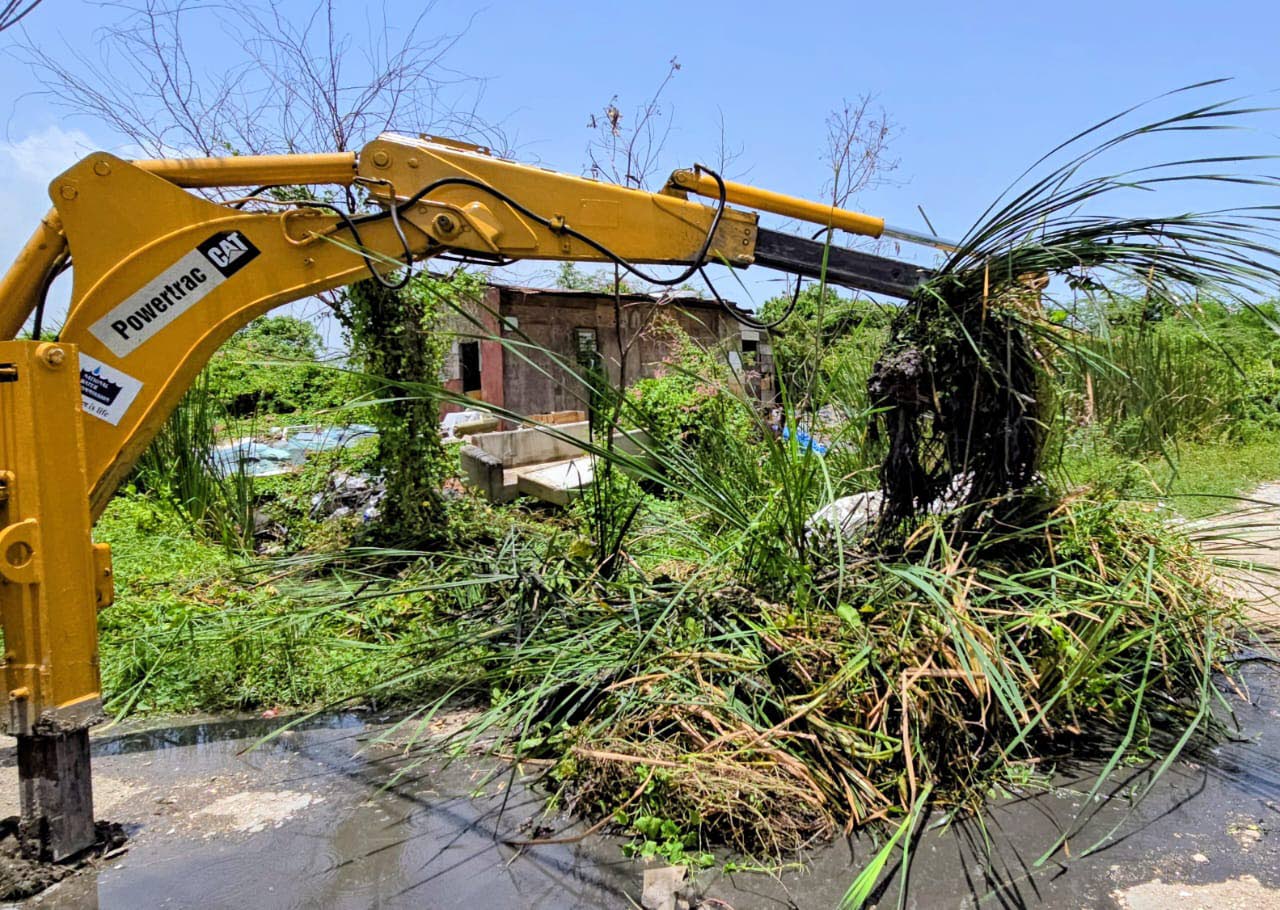
Heavy equipment being used to clean the mouth of the Duhaney River on Wednesday.
“Oftentimes during the flooding, we always have problems in New Haven. It’s an area that’s prone [to] flooding and so we have to mitigate those issues so that when the hurricane season is in full effect, the residents are not affected.
“This river is a very long river and so if it is not removed, then other sub-rivers and other streams that flow within the larger area will not be able to smoothly traverse. So it’s very important that we remove the [debris at the] mouth so that the river can run and that the other blockage that is within the community is pulled and so that the river water doesn’t come over,” said Thomas Nelson.
One New Haven resident, who identified himself only as Winston, stood at a distance observing the clean-up activity and declared that he was grateful for the intervention before any major storm activity develops during the 2026 Atlantic hurricane season that began on June 1 and ends November 30.
Winston argued that last-minute river clean-ups before an approaching storm, or heavy rainfall, have historically caused residents stress.
His concerns are not unfounded as after Hurricane Beryl sideswiped Jamaica’s south-western coasts in 2024 disgruntled New Haven residents pointed out that they were still faced with navigating stagnant floodwaters, despite being spared the worst of the Category 4 storm.
At that time, residents told the
Jamaica Observer that while some homes escaped flooding, several people were left marooned inside their yards until the waters receded.
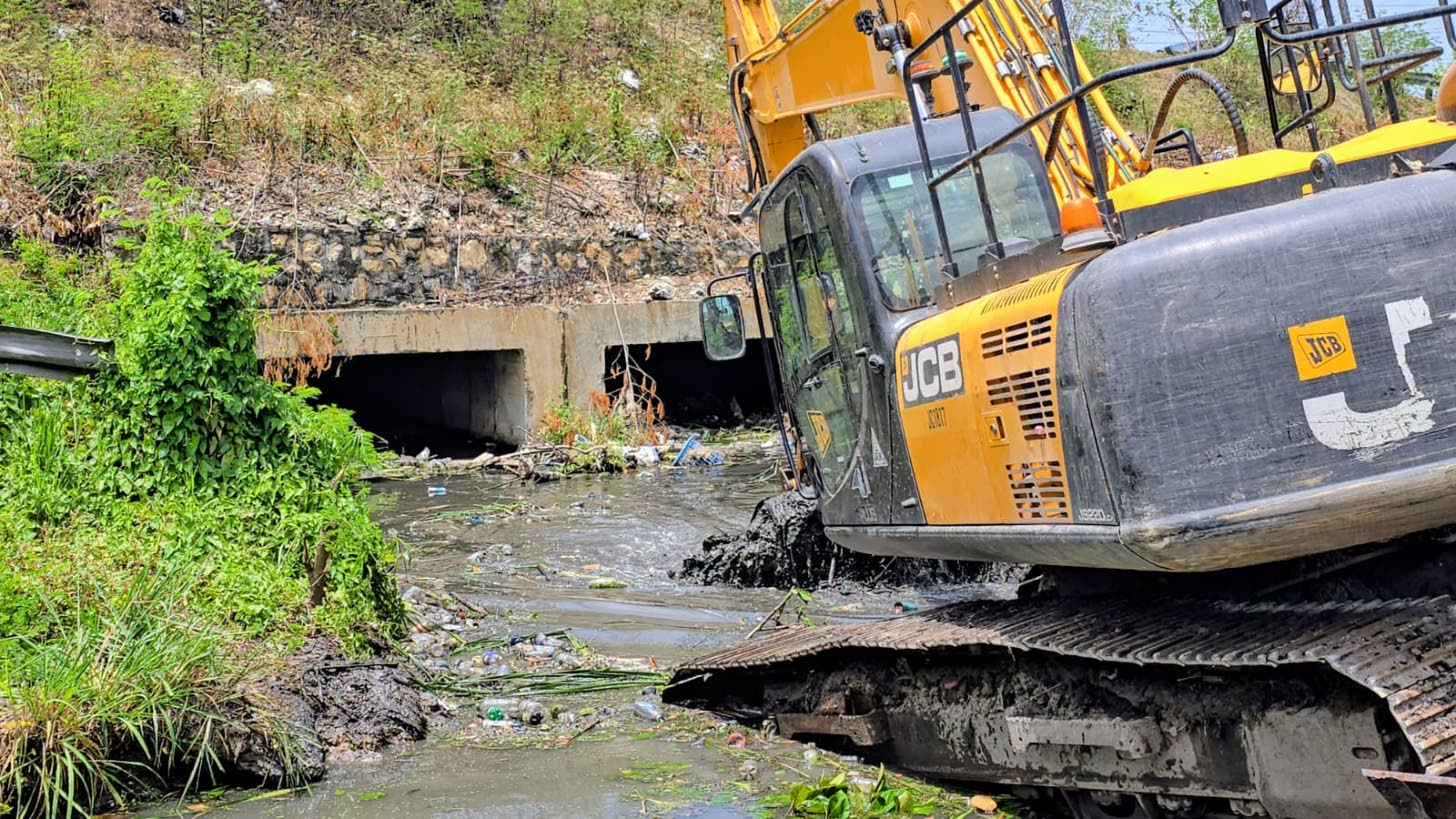
Cleaning of the mouth of the Duhaney River under way on Wednesday.
The complaints remained the same last October, days before Hurricane Melissa left its lasting mark across several of Jamaica’s parishes.
Residents were again captured in an
Observer article voicing their dissatisfaction with their local representatives, arguing that their failure to maintain the Duhaney River, gully, and drains in the community was the cause of their flooding woes.
“Anytime the gully and the trenches are clean, things will be better. We notice that the Government doesn’t come around until times like these, but how can you want to clean the drain now when water is already coming? That should have been cleaned from a longer time,” said a resident named Noel.
But on Wednesday, Winston was happy to sing a different tune, praising the local authorities for initiating preparations earlier this time around.
“We are grateful for it and it’s so good what’s going on now because it makes a big difference. The hurricane season started already but when the flood comes in, we won’t be under so much pressure because the mouth of the river is clean so we feel a little better. The water won’t stay on us for that long enough. Because if the river never clean, it stays for weeks up on the road. So we feel better,” said Winston.
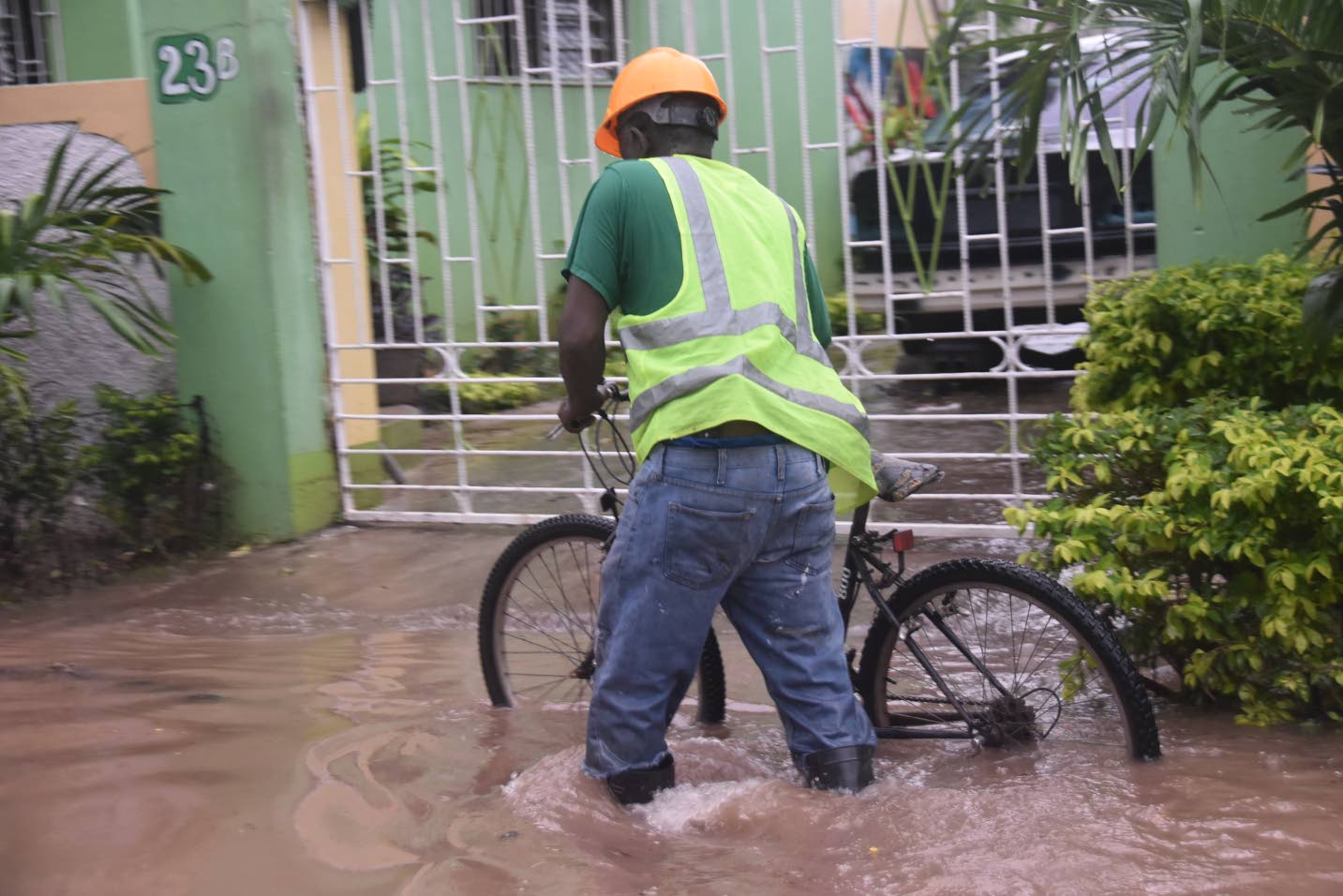
In this 2020 file photo, a resident walks through a section of New Haven which was flooded after the Duhaney River overflowed its banks.
He argued that a reduction in flooding also means less sightings of displaced crocodiles.
“They [the crocodiles] are a big threat to us in the community. Last year we caught about two and everybody was kind of scared when the place flooded out, because no one wanted to walk through the water. The crocodiles were in the river and then it overflow and take them into our yard, so we have to catch them and give them to NEPA (National Environment and Planning Agency). So now that the river is clean, now they won’t be back here that much,” said Winston.
Also pleased was a resident who gave his name only as Balla. He said his main concern was the danger posed by washed-up crocodiles in the community whenever the river overflows its banks.
“When it rains and falls, we’re afraid. We buy a TV, we buy a bed, and let me tell you when it rains and falls, everything will soak,” Balla said.
“I love what’s going on, still. I want it to continue. It kind of eases some of the pressure off the road. The water will come still, you know. But it’ll run off more easily. We can’t stop the water but with the cleaning, it’ll just run off and come back to normal,” reasoned Balla.


